
Playground Safety Inspections
Playground equipment and outdoor fitness equipment
BS EN 1176, BS EN 1177 & BS EN 16630:2015
Frequently Asked Questions About Playground Safety Inspections
How often should a playground be inspected by a competent person?
The Health & Safety Executive (HSE) and British & European Standards (BS EN 1176 / BS EN 1177) strongly recommend that all play areas undergo an independent safety audit and main inspection at least once a year. This must be carried out by a qualified, independent competent person, such as an Engineer Surveyor.
What is the difference between routine, operational, and annual playground inspections?
An effective risk management regime relies on three tiers of safety checks:
- Routine Checks (Daily/Weekly): Visual inspections usually managed by site staff to spot obvious hazards like vandalism, litter, or recent weather damage.
- Operational Inspections (Monthly/Quarterly): More detailed technical checks focusing on equipment wear and tear, operational performance, and cleanliness.
- Annual Main Inspections (Yearly): A comprehensive safety audit by an independent specialist to identify long-term structural wear, minor component failures, and strict compliance with safety regulations.
The frequency of the routine checks & operational inspections is specified by the site risk assessment.
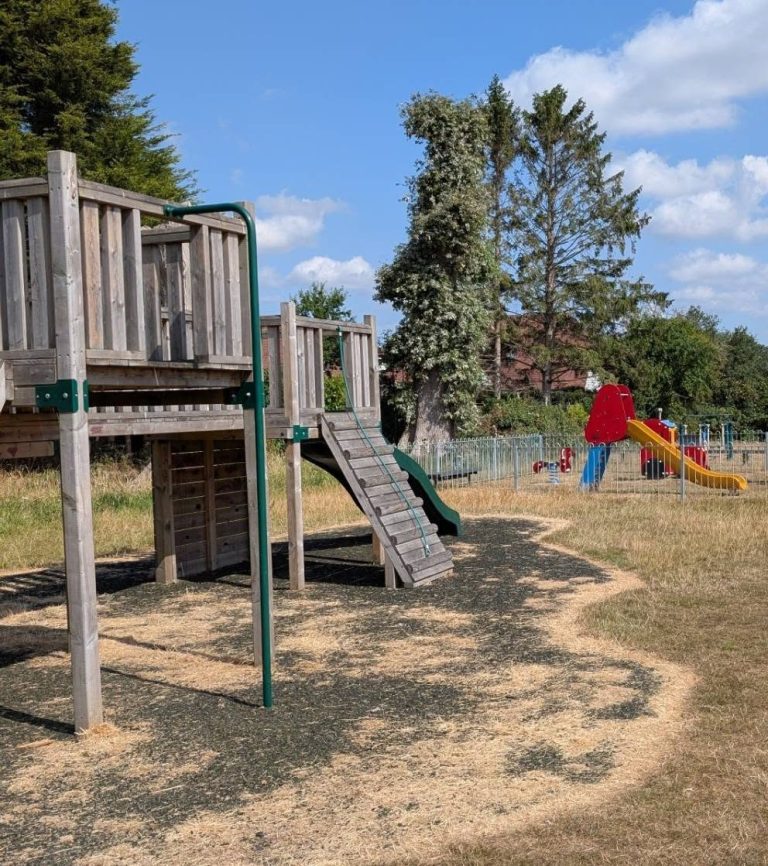
What safety standards apply to playground & outdoor fitness equipment in the UK?
Playgrounds and outdoor fitness facilities must comply with distinct UK safety standards:
- BS EN 1176 Stipulates the safety requirements for playground equipment and surfacing.
- BS EN 1177 Specifies the impact-attenuating surfacing requirements (critical fall heights).
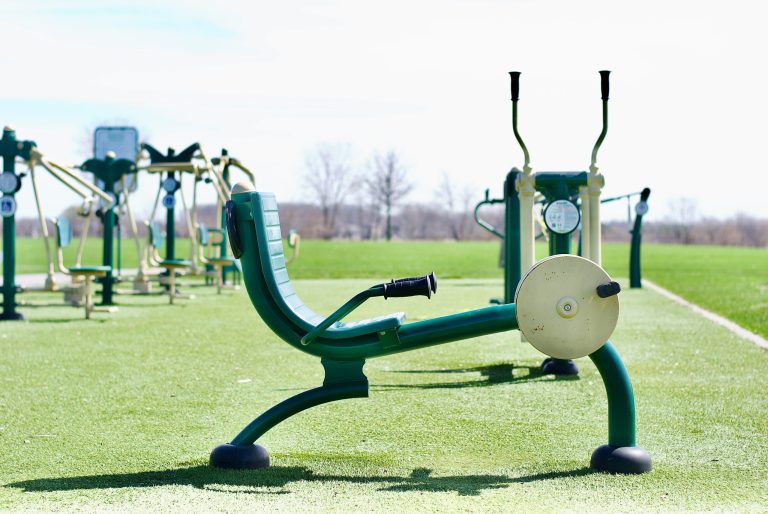
- BS EN 16630:2015 Governs the safety and inspection standards specifically for permanently installed outdoor fitness equipment.
Does a safe playground mean eliminating all risks for children?
No. The HSE explicitly recognizes that play is vital for a child's health, well-being, and development. The goal of effective risk management is not to eliminate all risks, but to weigh up the risks against the developmental benefits. Inspections ensure that real, structural, or hidden hazards are controlled, while allowing children to explore, learn, and play.

Frequently Asked Questions About Skatepark Safety inspections
While there is no single piece of standalone legislation that explicitly names skateparks, under the Health & Safety at Work Act 1974 and the Occupiers' Liability Act 1957/1984, facility operators have a strict legal duty of care to ensure their sites are safe. To meet these legal obligations and satisfy municipal insurance policies, the UK safety standards (BS EN 14974:2019) strongly recommend an independent main safety inspection at least once a year by a competent person, alongside regular routine checks.
What specific safety standard applies to UK skateparks?
All commercial and municipal wheeled-sports facilities—including concrete skateparks, modular timber ramps, and pump tracks—are governed by BS EN 14974:2019. This European and British Standard specifies the structural safety requirements, testing procedures, and post-installation inspection criteria for permanently installed facilities.
What are the most common safety hazards found during a skatepark engineering audit?
Our structural engineering audits frequently identify three main categories of degradation:
- Transition Gaps: Ground plates or modular ramp seams pulling away from concrete slabs, creating wheel-catch or tripping hazards for riders.
- Weld Fatigue: Fractures or hairline cracks forming along heavy-impact grind rails, coping pipes, or steel sub-frames due to intense user stress.
- Surface Breakdown: Concrete spalling, loose timber panels, exposed fixings, and pooling water within bowl areas that compromise riding safety.
Do you perform post-installation inspections on newly constructed skateparks?
Yes. Before a newly built or heavily refurbished skatepark is officially signed off and opened to the public, a Post-Installation Inspection is highly recommended. Our independent Engineer Surveyor reviews the entire installation against BS EN 14974:2019 to verify structural stability, correct safety zones, proper drainage, and flawless riding transitions, protecting your council or school against premature layout disputes or liability claims
Why should I choose High Weald Engineering Compliance for play area auditing?
Our Engineer Surveyors provide completely independent, expert safety audits tailored to your local site requirements. For your peace of mind and strict safeguarding compliance—especially when working around schools, councils, and community parks—our engineers hold Enhanced DBS certification.
How much does a play area inspection cost?
Our fair and transparent pricing scheme is flexible and offers discounted costs for multiple locations, community & charilty groups and small providers. Please click here to view our play area inspection pricing.